

Bitumen, tar, and asphalt are terms often used interchangeably in casual conversation, but they refer to distinct materials with different properties and applications. Here’s a breakdown of each:
Bitumen
- Definition: Bitumen is a viscous, black, and sticky substance derived from crude oil. It is also found in natural deposits.
- Properties: Bitumen is highly viscous and has excellent adhesive properties. It is water-resistant and durable.
- Uses: Primarily used as a binder in asphalt for road construction, bitumen is also used for waterproofing and sealing purposes.
Read More:
Tar
- Definition: Tar is a dark, thick, and sticky liquid produced by the destructive distillation of organic materials such as coal, wood, or peat.
- Properties: Tar has a high carbon content and is highly viscous. It can be toxic and carcinogenic due to the presence of polycyclic aromatic hydrocarbons (PAHs).
- Uses: Traditionally used for waterproofing, as a preservative for wood, and in road construction (although its use in modern road construction has declined due to health and environmental concerns).
بیشتر بخوانیبد: کارت بازرگانی چیست
Asphalt
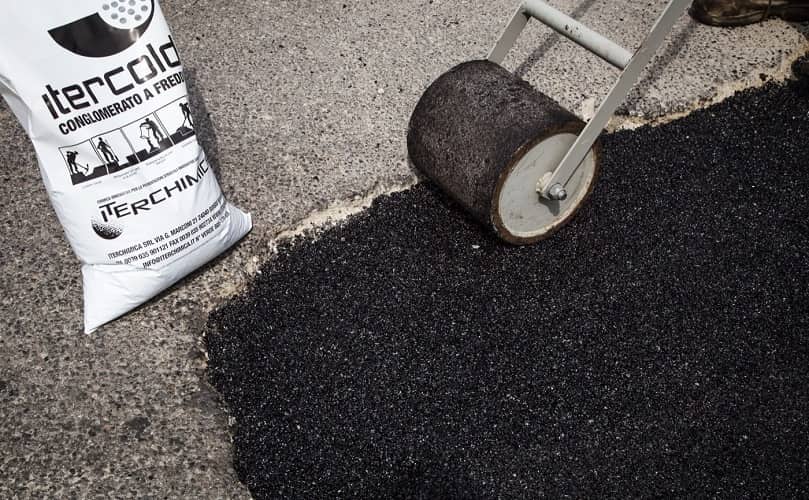
- Definition: Asphalt is a mixture of aggregates (such as sand, gravel, and crushed stone) and bitumen. In the UK, the term “asphalt” often refers to what is known as “bitumen” in the US.
- Properties: Asphalt is a composite material known for its durability and resilience. It can be applied hot or cold and is typically black or dark brown.
- Uses: Mainly used for constructing and maintaining roads, parking lots, airports, and other surfaces. Asphalt is also used in roofing materials.
Key Differences
- Composition:
- Bitumen: Pure binding agent derived from crude oil.
- Tar: Byproduct of the destructive distillation of organic materials.
- Asphalt: Composite material combining bitumen with aggregates.
- Applications:
- Bitumen: Used as a binder in asphalt and for waterproofing.
- Tar: Less common in modern applications due to health risks, previously used for waterproofing and road construction.
- Asphalt: Predominantly used for road construction and maintenance.
- Health and Environmental Concerns:
- Bitumen: Considered less hazardous compared to tar, although it can still pose health risks during handling and heating.
- Tar: Contains carcinogenic compounds, leading to reduced usage in contemporary construction.
- Asphalt: Considered safe when handled properly, though the production process can release pollutants.
Summary
- Bitumen: Key ingredient in asphalt, used for its adhesive and waterproofing properties.
- Tar: Less commonly used today, associated with higher health risks.
- Asphalt: Widely used in construction, combining bitumen with aggregates for durability and resilience.
difference between bitumen and coal tar
Bitumen and coal tar are both dark, viscous substances used in various industrial applications, but they differ significantly in their sources, properties, and uses. Here’s a detailed comparison:
Bitumen
- Source: Bitumen is derived from the distillation of crude oil in petroleum refineries. It can also be found in natural deposits (e.g., oil sands and pitch lakes).
- Properties:
- Highly viscous and sticky.
- Waterproof and resistant to most acids, alkalis, and salts.
- Has a higher softening point compared to coal tar.
- Generally considered less hazardous than coal tar.
- Uses:
- Primarily used as a binder in asphalt for road construction.
- Employed in waterproofing applications (e.g., roofing felt, sealing).
- Used in the production of bituminous paints and coatings.
Coal Tar
- Source: Coal tar is a byproduct of the destructive distillation of coal in coke ovens or gas production plants.
- Properties:
- Dark, thick, and viscous liquid.
- Contains a high concentration of polycyclic aromatic hydrocarbons (PAHs), which are carcinogenic.
- Lower softening point compared to bitumen.
- Stronger odor and more toxic than bitumen.
- Uses:
- Traditionally used for waterproofing and preserving wood (e.g., railroad ties, utility poles).
- Previously common in road construction (e.g., tar macadam) but now largely replaced by bitumen due to health concerns.
- Used in the production of medicinal and industrial products (e.g., coal tar soaps, shampoos, and ointments).
Key Differences
- Origin:
- Bitumen: Derived from petroleum.
- Coal Tar: Byproduct of coal processing.
- Chemical Composition:
- Bitumen: Composed mainly of hydrocarbons with some sulfur, nitrogen, and oxygen compounds.
- Coal Tar: Contains a variety of chemical compounds, including a high concentration of PAHs, making it more hazardous.
- Health and Environmental Concerns:
- Bitumen: Less hazardous, though still requires careful handling.
- Coal Tar: Contains carcinogenic compounds, leading to stricter regulations and reduced usage in modern applications.
- Physical Properties:
- Bitumen: Higher softening point, more durable under high temperatures.
- Coal Tar: Lower softening point, more brittle, and has a stronger odor.
- Applications:
- Bitumen: Dominant in road construction, waterproofing, and sealing.
- Coal Tar: Historically used in road construction and wood preservation, now limited due to health concerns.
Summary
- Bitumen: Petroleum-derived, used mainly in asphalt and waterproofing, considered less hazardous.
- Coal Tar: Coal-derived, historically used in road construction and wood preservation, contains carcinogenic compounds, leading to reduced usage today.
tar vs bitumen melting point
The melting points of tar and bitumen differ due to their distinct compositions and origins. Here’s a comparison of their typical melting points:
Bitumen
- Melting Point: Bitumen does not have a sharp melting point because it is a complex mixture of hydrocarbons. Instead, it softens over a range of temperatures.
- Softening Point: The softening point of bitumen, measured by the Ring and Ball test, typically ranges between 35°C to 70°C (95°F to 158°F), depending on its grade and formulation.
Coal Tar
- Melting Point: Similar to bitumen, coal tar also softens over a range of temperatures rather than having a distinct melting point.
- Softening Point: The softening point of coal tar is generally lower than that of bitumen, typically ranging from 30°C to 60°C (86°F to 140°F).
Key Points
- Softening vs. Melting: Both materials soften over a range of temperatures rather than having a specific melting point. The softening point is more relevant in practical applications.
- Softening Point of Bitumen: Generally higher, making it more suitable for applications where higher temperatures are expected.
- Softening Point of Coal Tar: Generally lower, which can make it less durable in high-temperature applications compared to bitumen.
Summary
- Bitumen: Softens between 35°C to 70°C (95°F to 158°F), depending on the grade.
- Coal Tar: Softens between 30°C to 60°C (86°F to 140°F), generally lower than bitumen.